Yukon
Winter Visitor


MEET THE NORTH!

The Yukon Wildlife Preserve invites you to experience the great wildlife of the North in their natural habitats. At the Preserve, the animal sightings are guaranteed! On guided tours or self-guided walks, you will get safely and respectfully close to the animals.

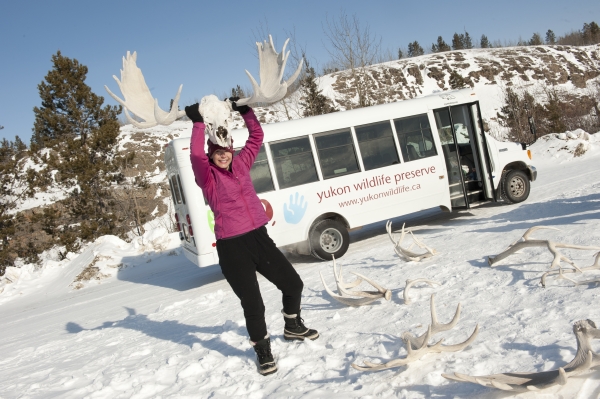
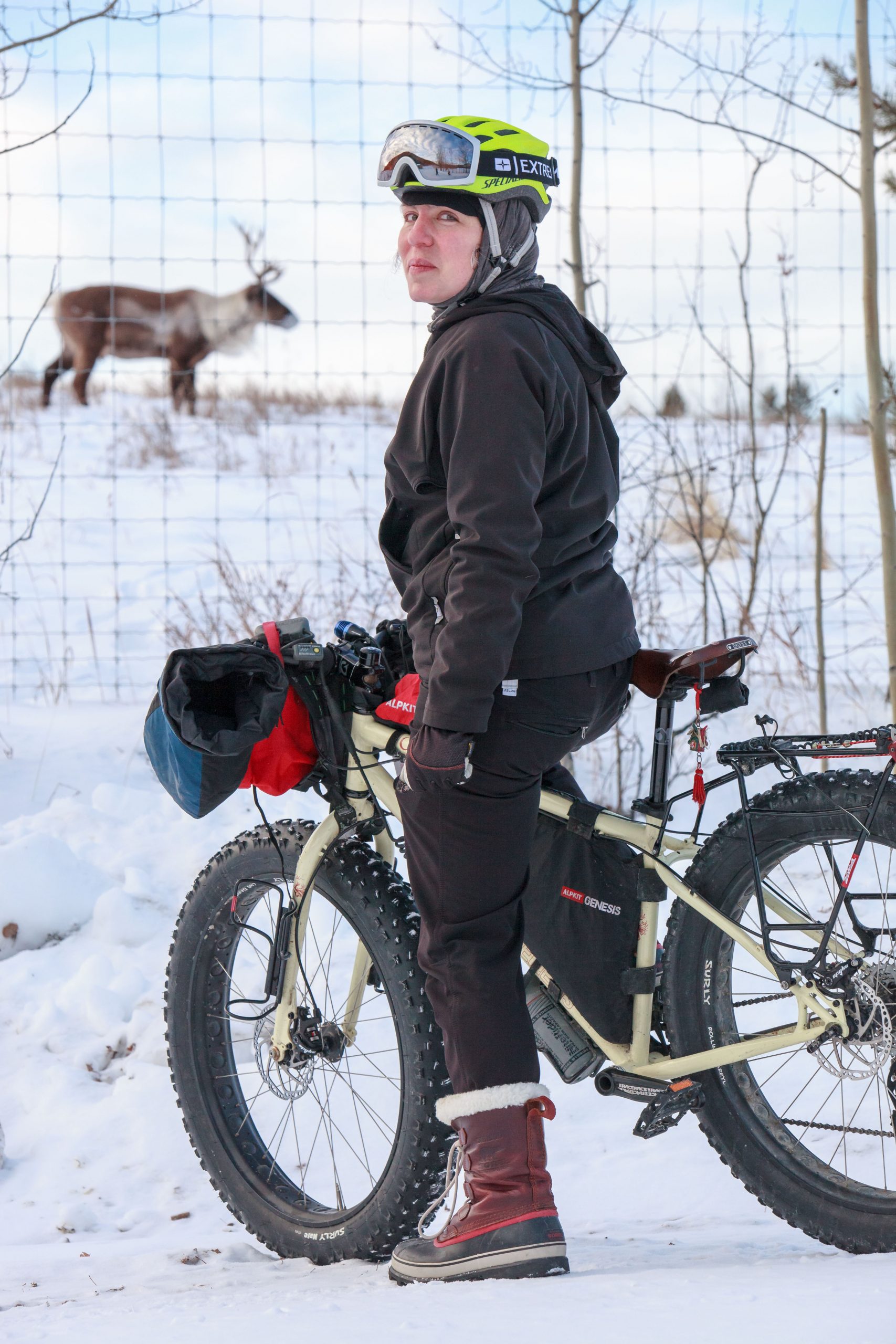
These thrilling encounters are accompanied by fascinating stories and information about the animals you’re seeing. If walking, skiing, kicksledding or fat- biking isn’t your style, hop on our warm, low-floor bus. The Preserve’s guides love to share their knowledge about the 12 species of wildlife at the Preserve and life in the Yukon. For an extra special, personalized experience, check out Exclusive Experiences – booked to suit your schedule.

Exploring natural habitats, making personal connections with the animals and Yukoners, and experiencing Yukon is a real-life interactive learning experience that will stay with you forever.

The Preserve is open daily throughout the winter. To get tour schedules and plan your visit, go to yukonwildlife.ca
WINTER WILDLIFE VIEWING
NOVEMBER echoes with the sounds of Faro’s fabulous Fannin Sheep as rams ram rams. Wolves that have been separated during the summer reform their packs.
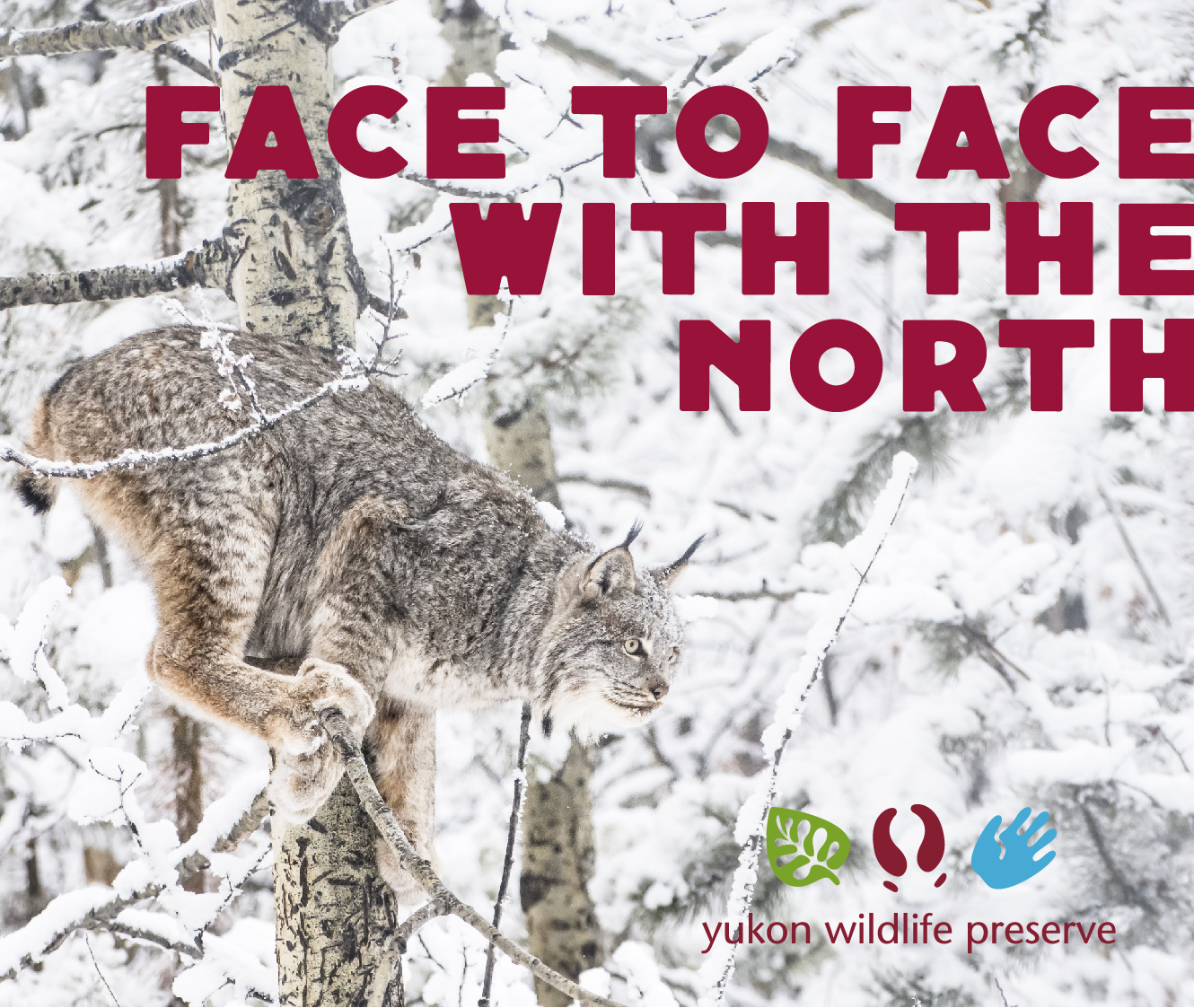
DECEMBER A few hardy ducks remain. The ptarmigan move down from their mountain locales into the lower elevation willow thickets. This is a time when the lynx, marten and coyote can be found through their tracks left behind in the snow.
JANUARY Caribou and elk are unconcerned with cold. Ptarmigan can be seen with their “snowshoe” feathers on the soles of their feet. Tracks are one of the best ways to find wildlife in winter.
FEBRUARY High on lonely alpine ridges, the Golden Eagle migration has begun. The Bohemian Waxwings return to the southern Yukon to feed on frozen berries. Wolves and owls are courting and mating at this time of year.
MARCH Snow Buntings are seen by the roadside in abundance. Open water begins to appear in the ice choked lakes and rivers, the first Trumpeter Swan scouts will search for roots of pondweeds.
APRIL Cloak butterflies emerge from their winter sleep to feed on the abundant willows. The Arctic Ground Squirrels make alarm calls that announce the arrival of spring. Thousands of swans, both Tundra and Trumpeter, converge on M’Clintock Bay along with waterbirds and gulls of all kinds.